

TAIJI · MYTHOLOGY NOTES
Five of the Strangest Beings in the Classic of Mountains and Seas
A faceless dancer, a predator that cries like a baby, and a nine-tailed goat. Meet five of the Shānhǎijīng’s more unusual inhabitants.
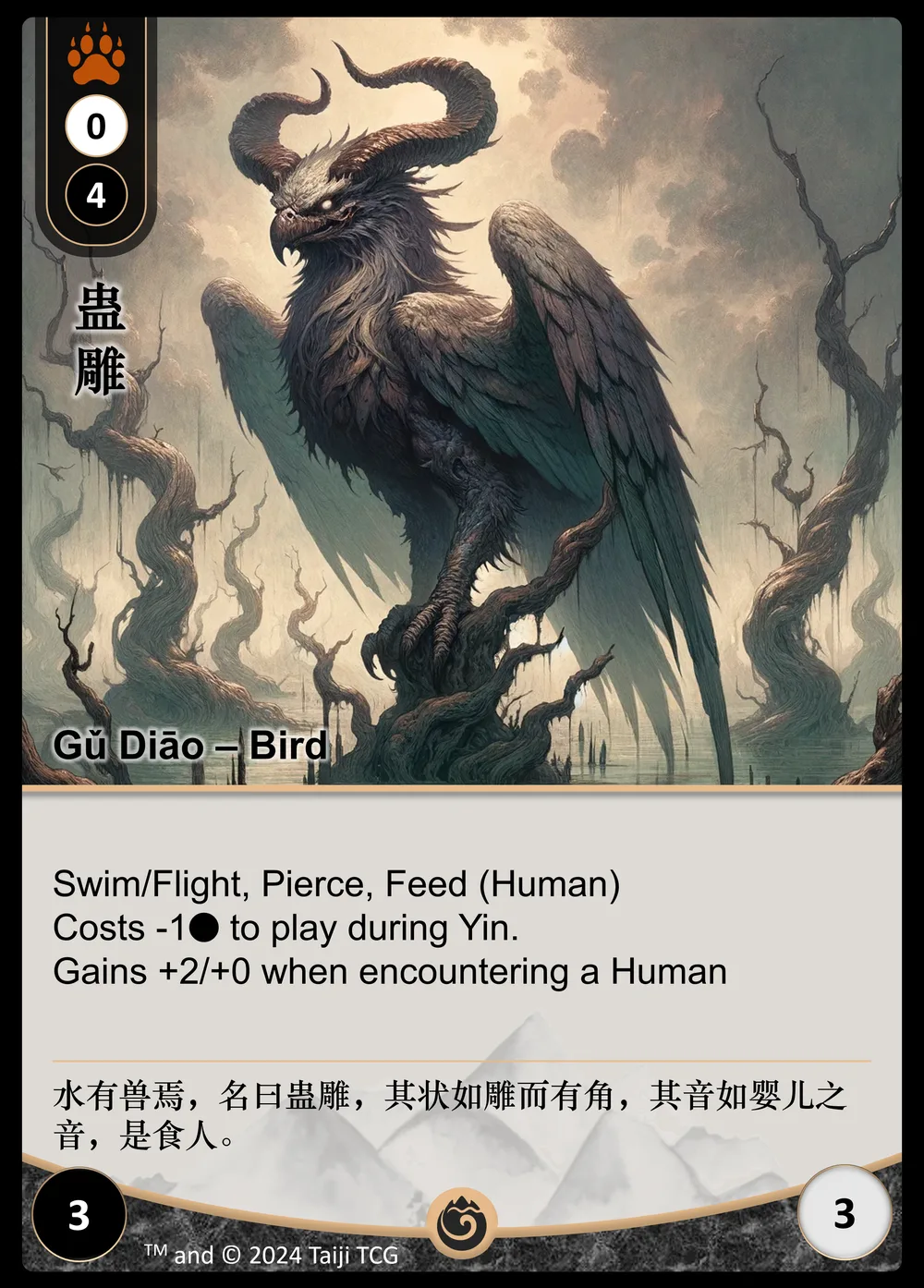
A goat sounds easy enough to picture. Give it nine tails, four ears and eyes on its back, and things get a little more complicated.
That’s Bó Yí, one of the many extraordinary beings found in the Classic of Mountains and Seas, or Shānhǎijīng (山海经). The book takes us through mountains, rivers and unfamiliar lands, introducing their inhabitants along the way. Some sound almost ordinary. Others leave you rereading a sentence to check that you’ve understood it properly.
Here are five encounters worth stopping for.
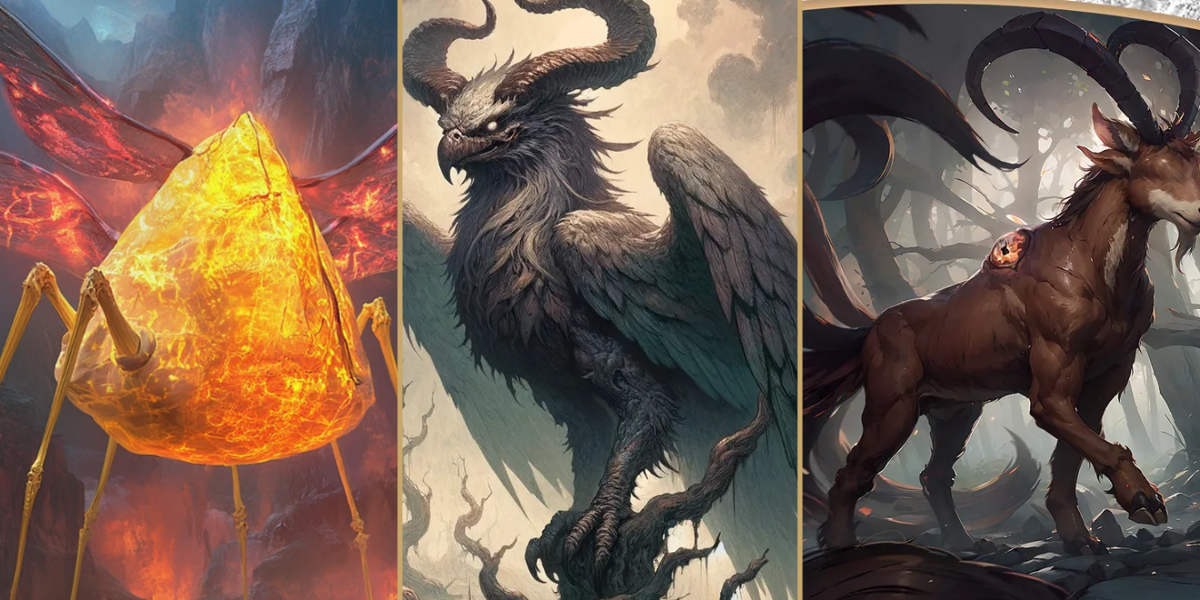
1. Dì Jiāng: six feet, four wings, no face
How do you picture something that has no face but understands song and dance?
Meet Dì Jiāng (帝江). In the Western Mountain Classic, it’s described as a fiery red, sack-shaped being with six feet and four wings. There are no recognisable facial features to help you make sense of it.
Then comes that lovely, unexpected detail: it understands music and dancing.
Suddenly, there’s something familiar about this very unfamiliar body. You can almost imagine those six feet finding a rhythm.
Dì Jiāng is also described as a divine being, so it’s in slightly different company from the animals elsewhere on this list. You’ll find it in the Western Mountain Classic.
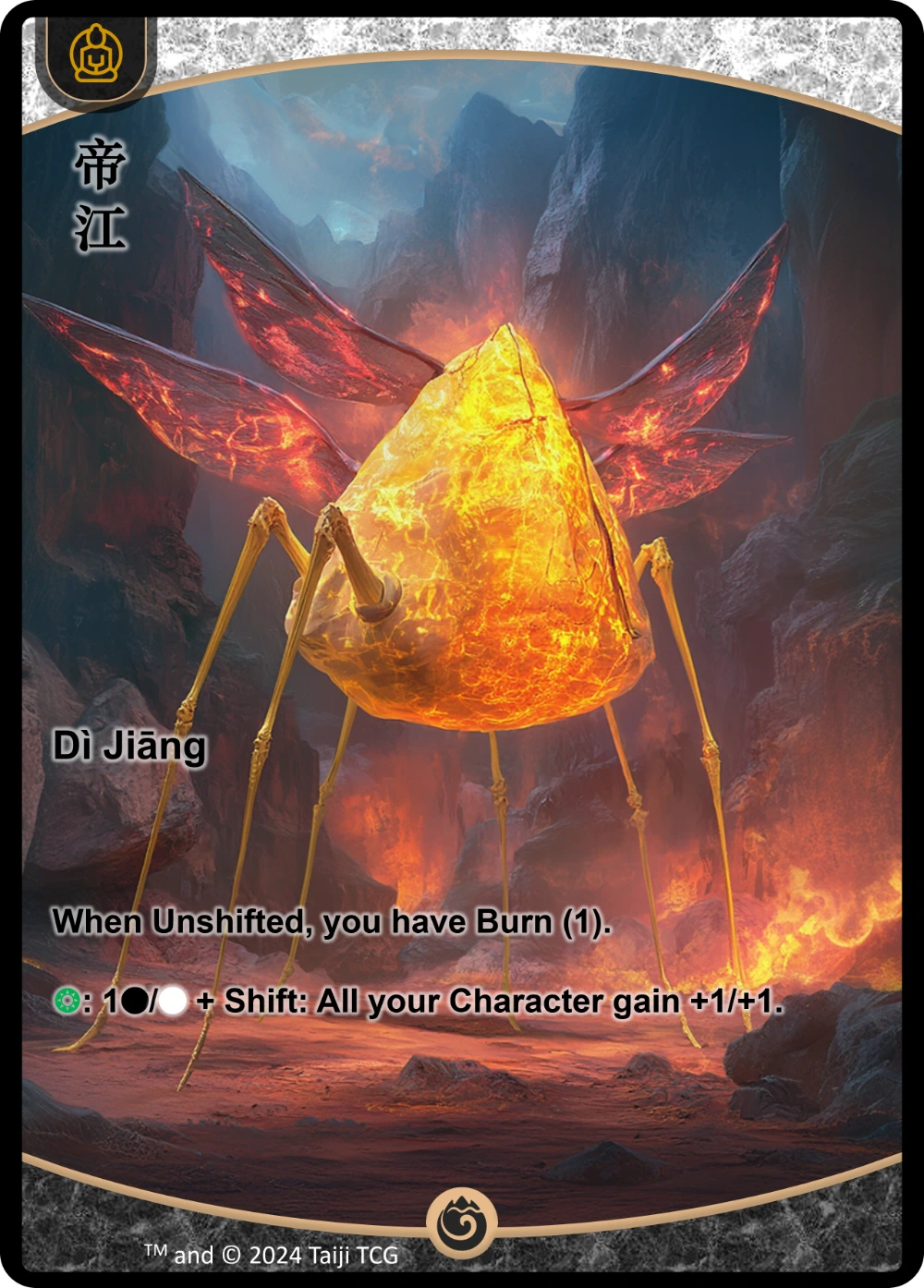
2. Gǔ Diāo: that is definitely not a baby
Hearing a baby cry would usually make you want to find out what was wrong. In Gǔ Diāo’s neighbourhood, you might wish you hadn’t.
The Gǔ Diāo (蛊雕) resembles a bird of prey, with the addition of a horn. Its voice sounds like a human infant, and it eats people.
The cry is what makes it especially unsettling. Even without seeing the creature, you’d hear something familiar and vulnerable. Knowing what actually makes that sound changes the whole scene.
A horned predator is alarming enough. One that sounds like a distressed baby is considerably worse.
3. Bó Yí: a goat with far too much going on
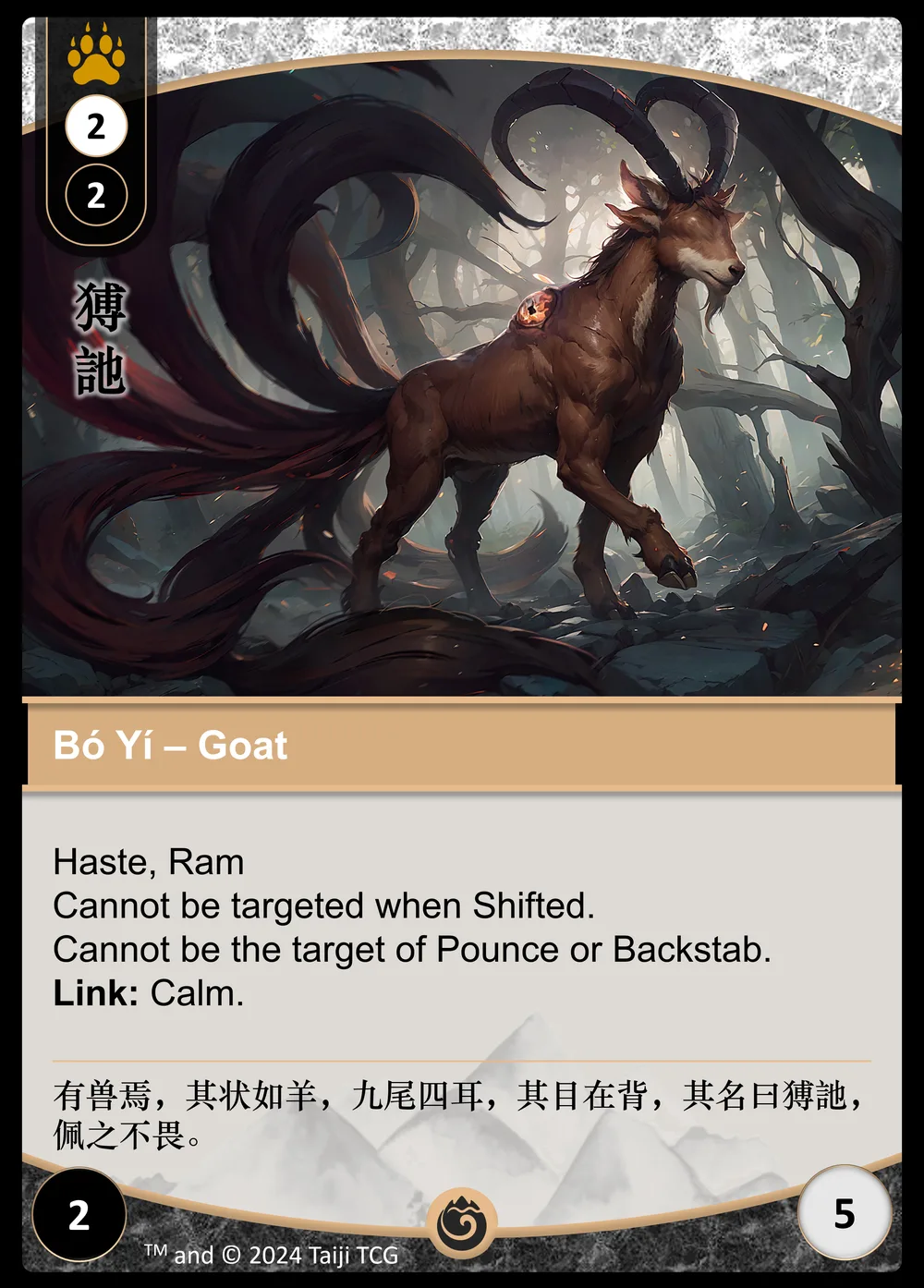
Bó Yí (猼訑) starts with the basic shape of a goat. After that, the description gets ambitious: nine tails, four ears and eyes on its back.
The eyes are an especially odd touch. How do you approach an animal that can see you coming from behind? And what does a goat do with nine tails?
Its hide has an unusual property, too. According to the ancient account, wearing it frees a person from fear. An animal that looks so bewildering turns out to offer something people have probably always wanted: a little more courage.
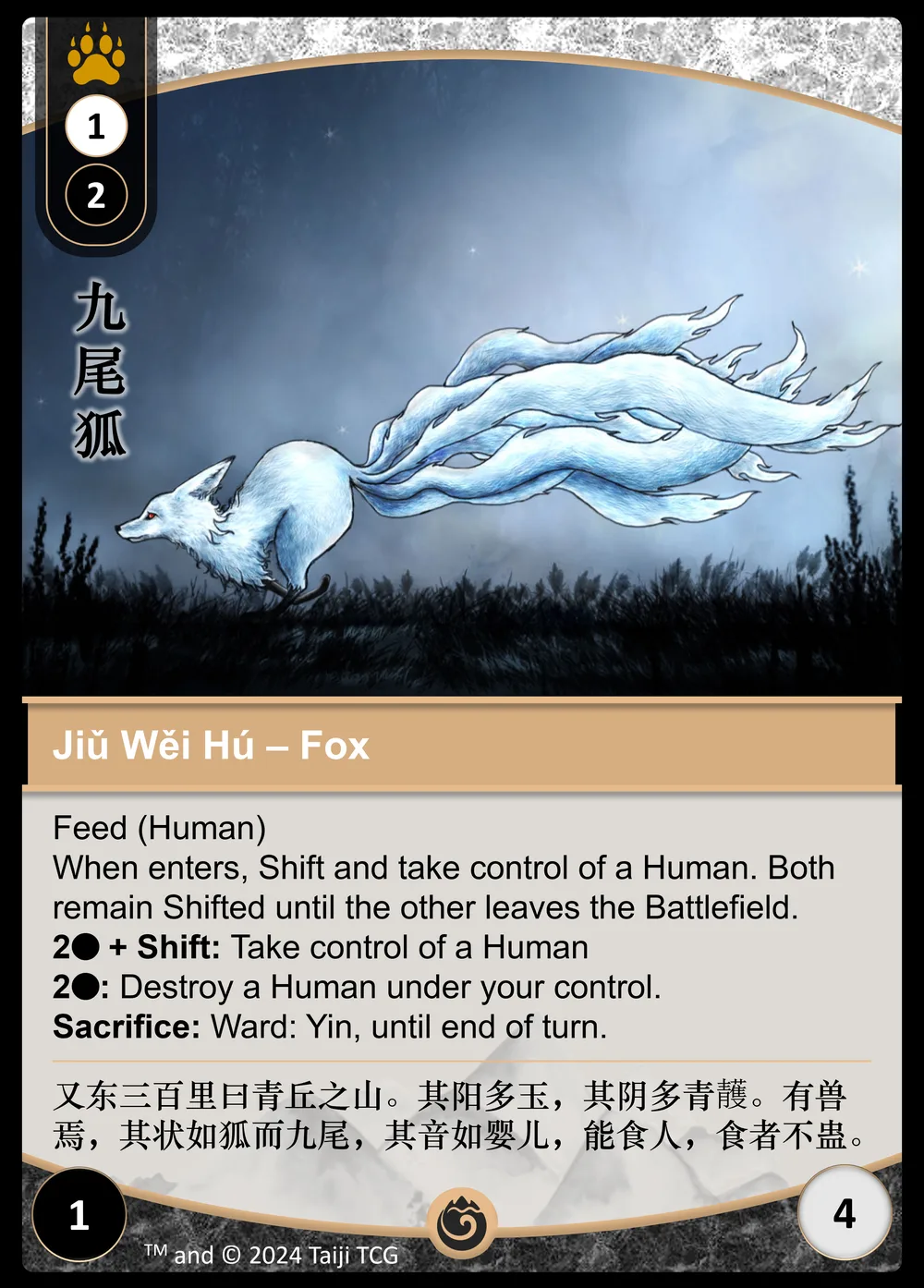
4. Jiǔ Wěi Hú: the nine-tailed fox has a dangerous side
You may already know the nine-tailed fox from games, films or fantasy stories. Perhaps you picture a beautiful shapeshifter, a cunning spirit, or a powerful companion.
The Jiǔ Wěi Hú (九尾狐) in the Southern Mountain Classic is a fairly alarming creature to meet.
It lives on Qīngqiū Mountain, has the body of a fox and nine tails, and makes a sound like a baby crying. Like Gǔ Diāo, it eats people. Apparently, an infant’s cry is something to approach with caution in these mountains.
There’s another twist: the passage also says that eating the fox offers protection from gǔ, often understood here as a harmful or poisonous influence.
If you’re used to the human-shaped fox spirits of later stories, this earlier, wilder version might come as a surprise.
5. Xīng Xīng: almost an ordinary animal
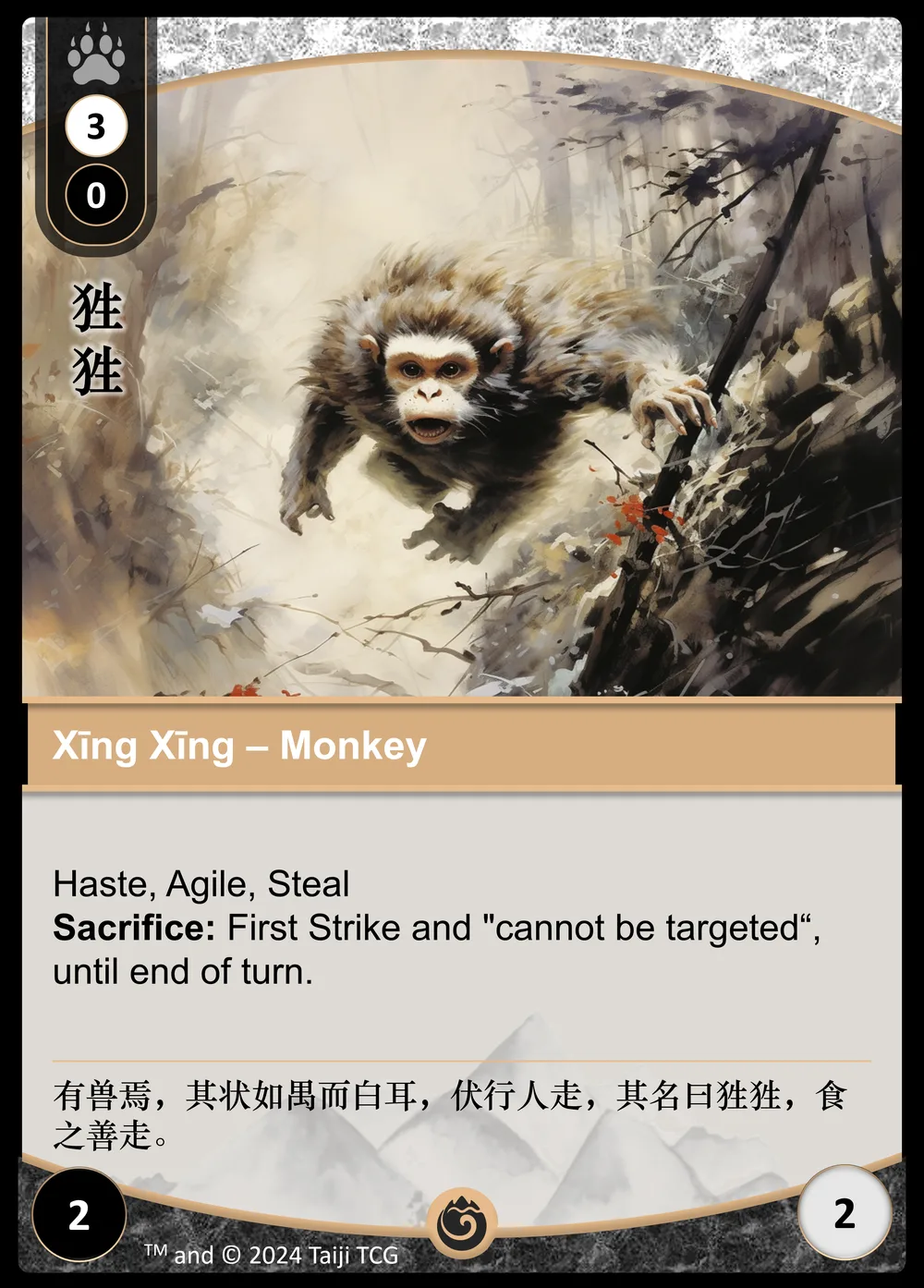
After the wings, horns and extra tails, Xīng Xīng (狌狌) might seem quite reassuring.
It resembles an ape and has white ears. It moves close to the ground but runs upright like a person. Seeing it suddenly stand up and run would be a little unnerving.
Then comes the detail that earns it a place here: the account says that eating it makes you a better runner.
There’s a curious logic to that idea. The animal has an ability, and eating it allows a person to acquire it. You’ll come across similar connections between creatures and their effects on people throughout the book.
Xīng Xīng appears near the beginning of the Southern Mountain Classic, making it one of the first unusual inhabitants you’ll meet if you start reading from the beginning.
Who would you want to encounter?
Dì Jiāng would be my choice. There’s something appealing about a mysterious red being whose brief introduction includes a love of song and dance. Gǔ Diāo can keep its distance.
I’ll speak about the terrible depiction of Dì Jiāng in Shang-Chi in a future blog. But for now, just let me say: it was downright disrespectful. Degrading an ancient deity to a dog-like character was hard to watch.
You can meet these five in the Taiji card catalogue, or follow their trails through the bilingual Mountains & Seas Reader. There are plenty more waiting beyond them.
Read next: Yìng Lóng, the Winged Lóng.
Sources & further reading
ANOTHER PATH TO FOLLOW
Where next?
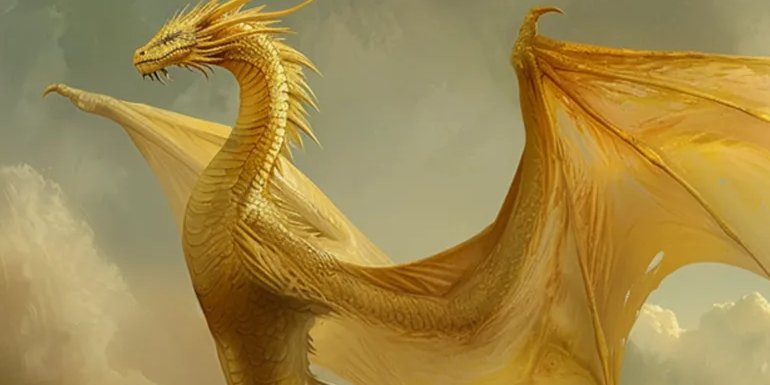
Yìng Lóng: The Winged Lóng of Rain and War
Wings, rain and a battlefield caught between storm and drought. Meet Yìng Lóng, one of Chinese mythology’s most formidable lóng.
Read the article ↗
Chinese Creation Myths: Pán Gǔ, Nǚ Wā and the Origins of the World
A giant who becomes the landscape, a goddess who makes people from mud, and a sky that needs repairing. Chinese creation myths begin on quite a scale.
Read the article ↗
Hòu Yì and the Ten Suns: The Archer Who Saved the Earth
One sun gives life. Ten threaten to destroy it. Meet the divine family behind the suns and the archer who brings their heat under control.
Read the article ↗